

Quality & Compliance
A label is a consumable, but its failure means rework, lost samples or even downtime. We make testing, retention samples and documentation standard practice rather than after-the-fact remediation.
Three stages that keep uncertainty inside the plant
Incoming and process control
Incoming inspection of facestock, adhesive and liner materials; tension, thickness and appearance monitored during coating, lamination and slitting.
Finished product testing
Peel adhesion, initial tack, temperature resistance, solvent resistance and print grade testing, with retention samples kept per batch.
Documentation and traceability
TDS, MSDS, SGS, ROHS/HF, UL and COC archived, with batch-level traceability.
Documents provided with shipments
- TDS datasheet: facestock, adhesive, thickness, peel adhesion, temperature range and recommended print parameters
- MSDS safety data sheet: composition information, storage and transport requirements
- SGS reports: composition analysis and migration testing (by material)
- ROHS 2.0 and HF test data: restricted substances and halogen content
- Flame-retardant test report: combustion performance data for flame-retardant polyester and polyolefin materials
- COC certificate: issued per batch, with batch number and test items
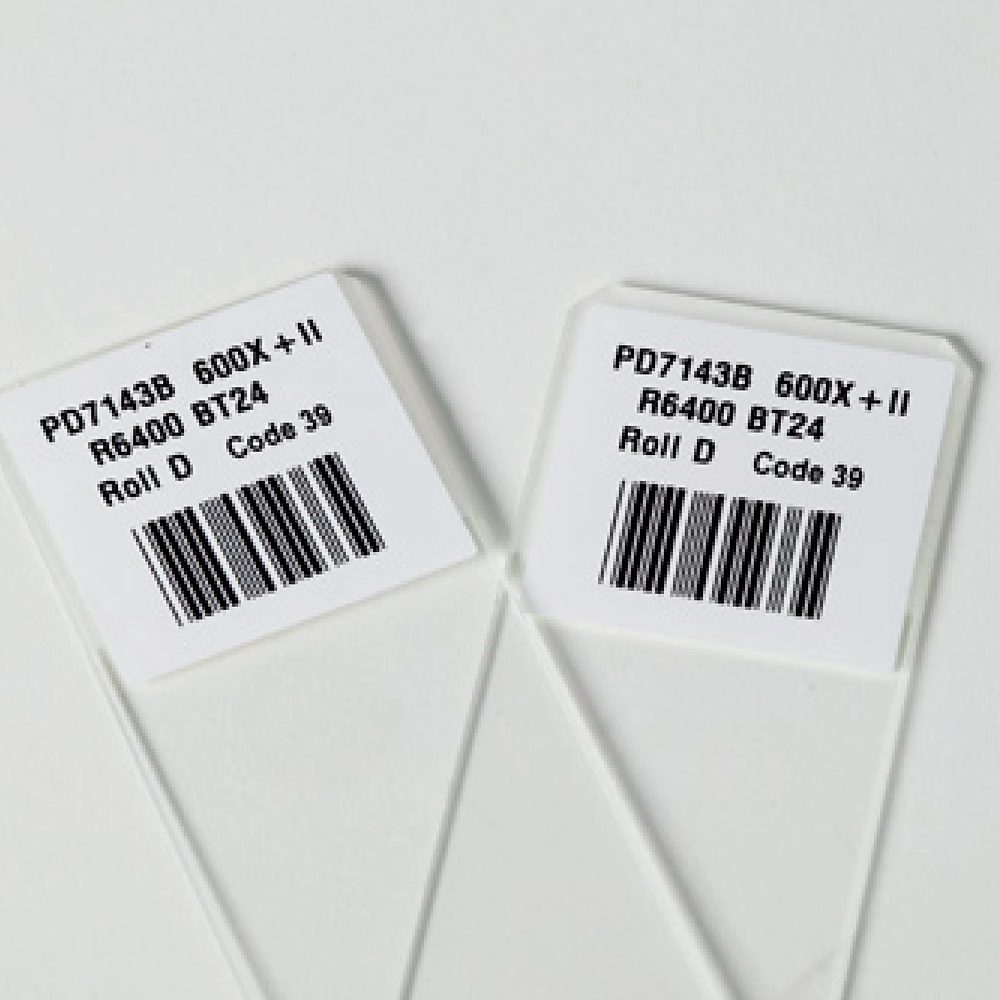
Testing and certifications in place
The full path of a batch of labels
Incoming material
Facestock, adhesive and liner batches registered, with retention samples kept for reference.
Production
Coating, lamination, slitting and die-cutting, with key parameters recorded on the work order.
Testing
Peel adhesion, temperature resistance and print quality sampled per batch, with COC issued.
Shipping
Labels and documents shipped together, with traceable batch numbers.
Not sure which material to use?
Tell us the substrate, service temperature, print method and service life, and a materials engineer will propose a combination, with free samples and print validation.