

01 / LAB
LAB Cryogenic Label Materials
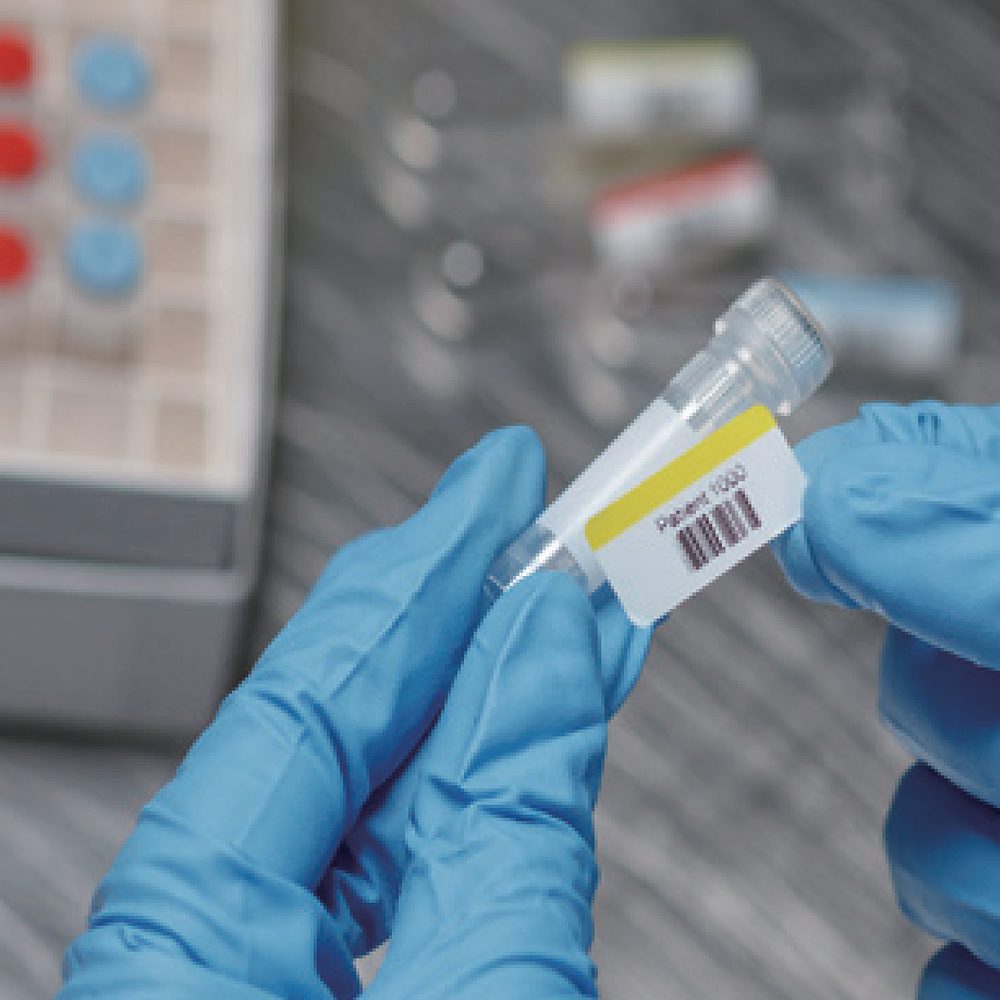
T629 liquid-nitrogen labels, T459/T509 self-laminating, T429/T439 freezer labels and T329/T319 refrigerated labels, in four combinable temperature zones.
View materialsSeven product lines, organised by material system and application. Establish the substrate and service conditions first, then narrow down to facestock, adhesive, ribbon and die-cutting.
The material determines print quality, the coating and adhesive determine solvent performance, and die-cutting determines how smoothly the label runs — the product lines are organised by use case, so selection is more direct.
T629 liquid-nitrogen labels, T459/T509 self-laminating, T429/T439 freezer labels and T329/T319 refrigerated labels, in four combinable temperature zones.
View materials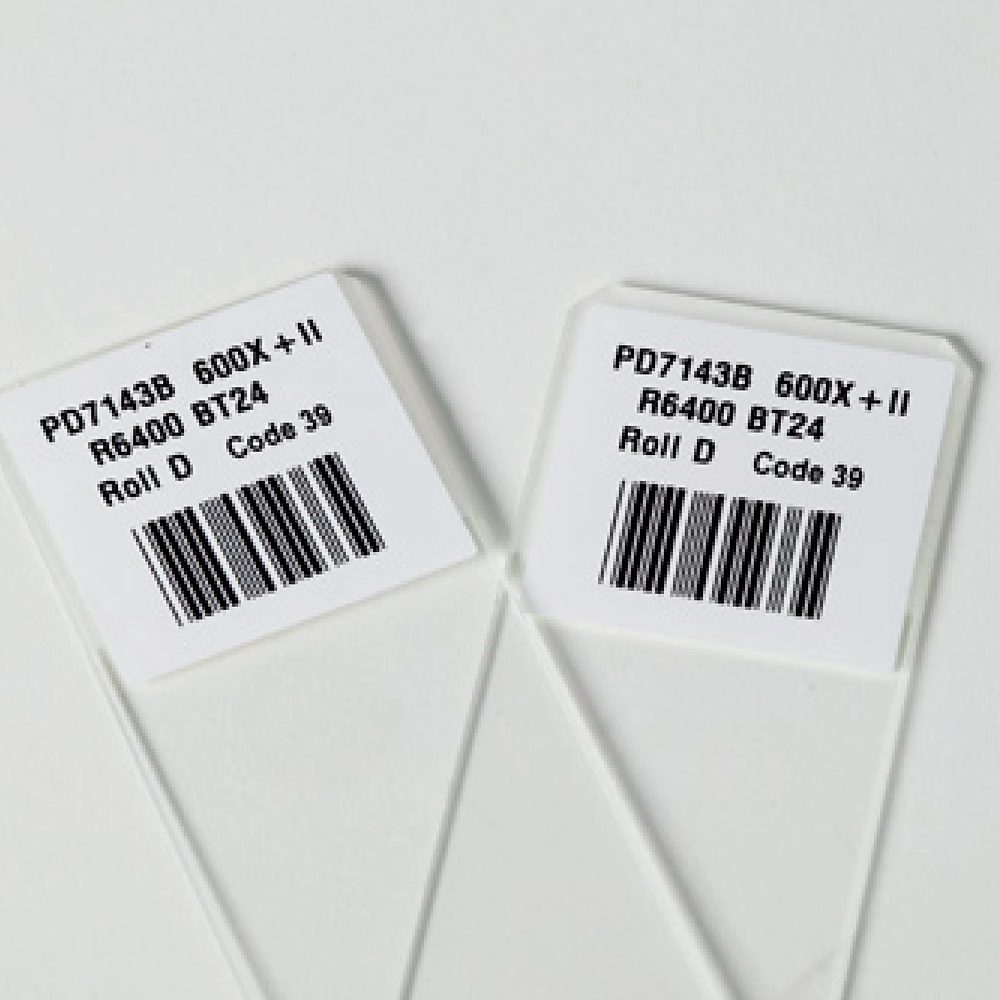
Coated paper, direct thermal paper, PP synthetic paper and PET polyester, covering thermal transfer, direct thermal, laser and inkjet printing.
View materials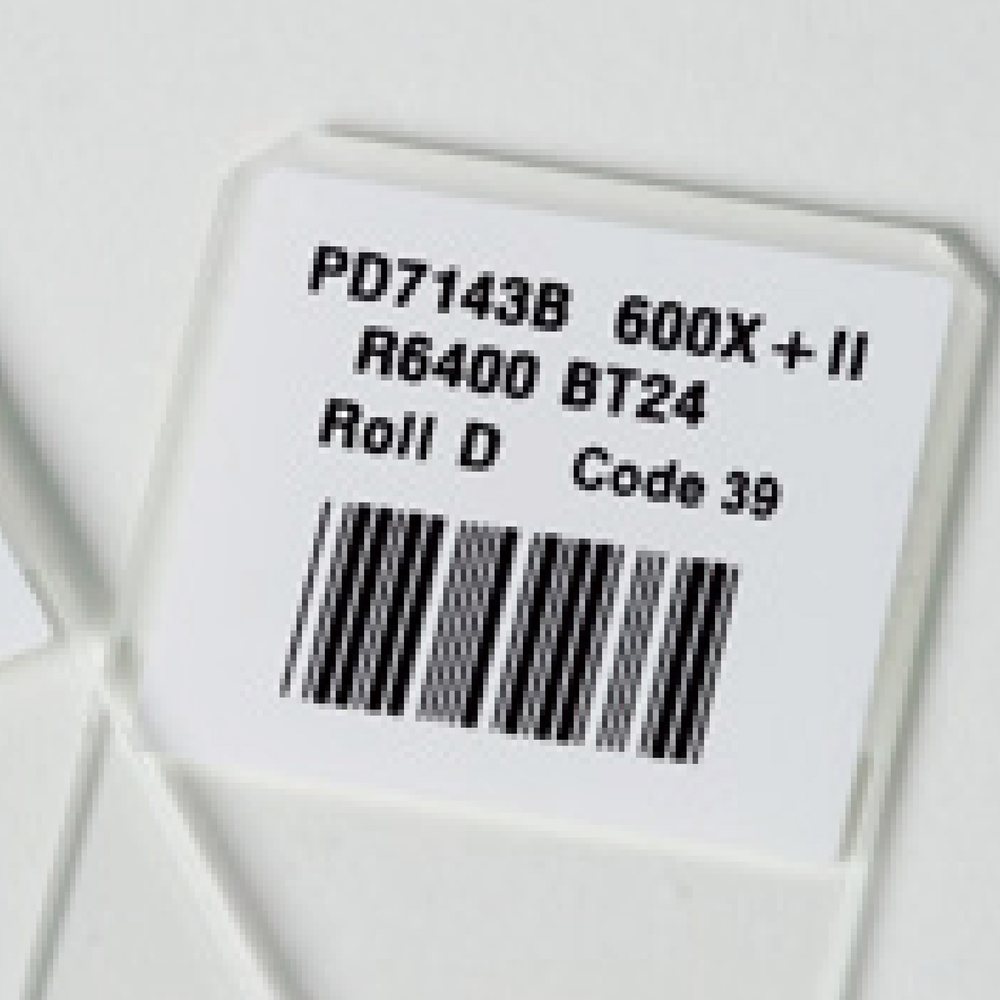
Self-laminating, wrap-around and flag-style constructions on polyester, vinyl and nylon cloth facestocks, for wire marking and harness identification.
View materials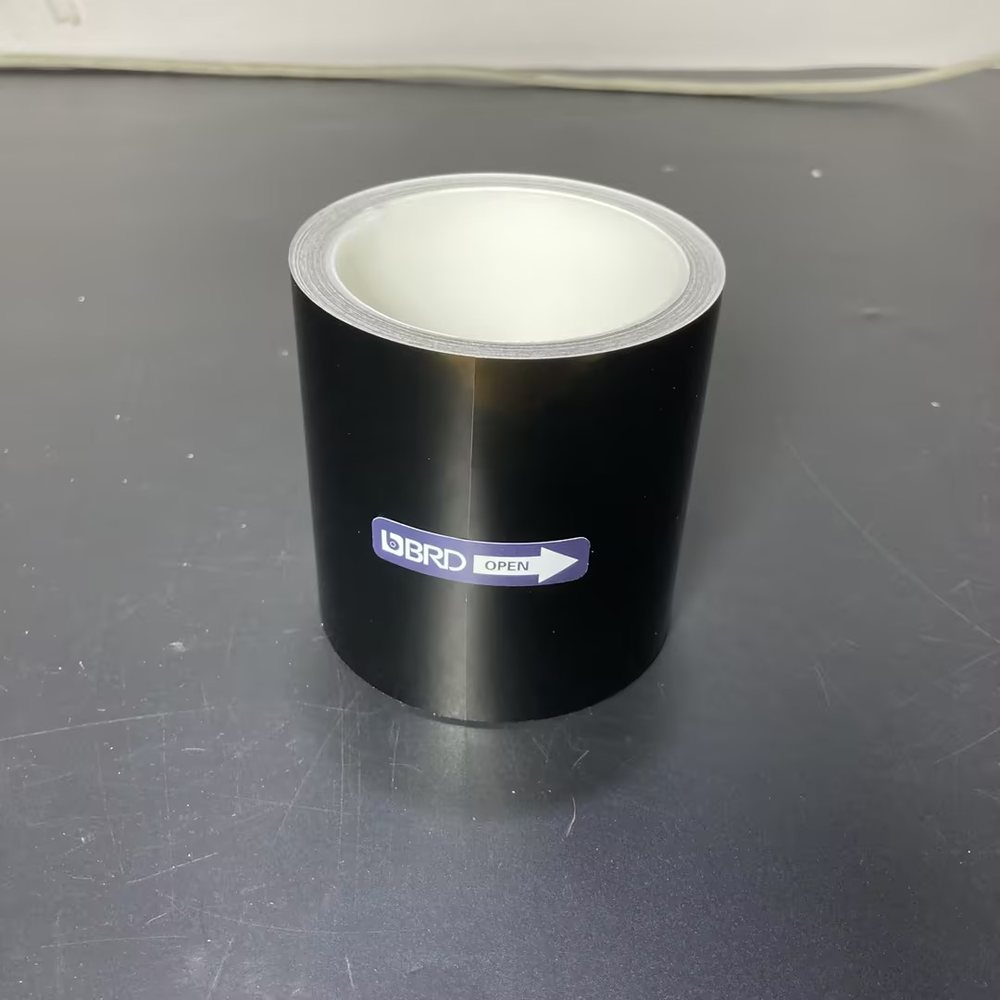
Polyimide rated to 320 °C, aluminium base, flame-retardant halogen-free, anti-static, tamper-evident, reflective and photoluminescent materials.
View materials
UHF cryogenic labels supporting batch inventory counts, freeze-thaw cycling and LIMS data integration.
About RFID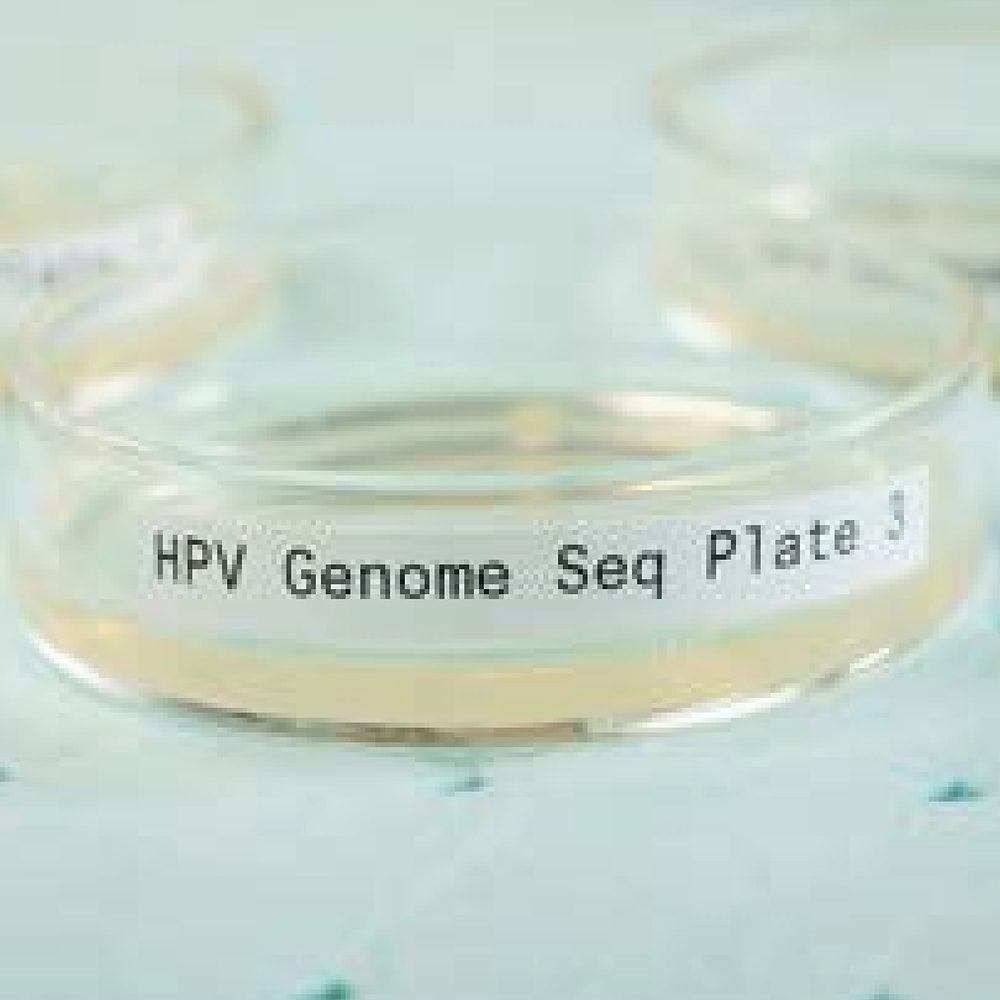
Die-cutting to drawing, custom shapes, core and winding selection, colour pre-printing, variable barcodes and print service.
Customization process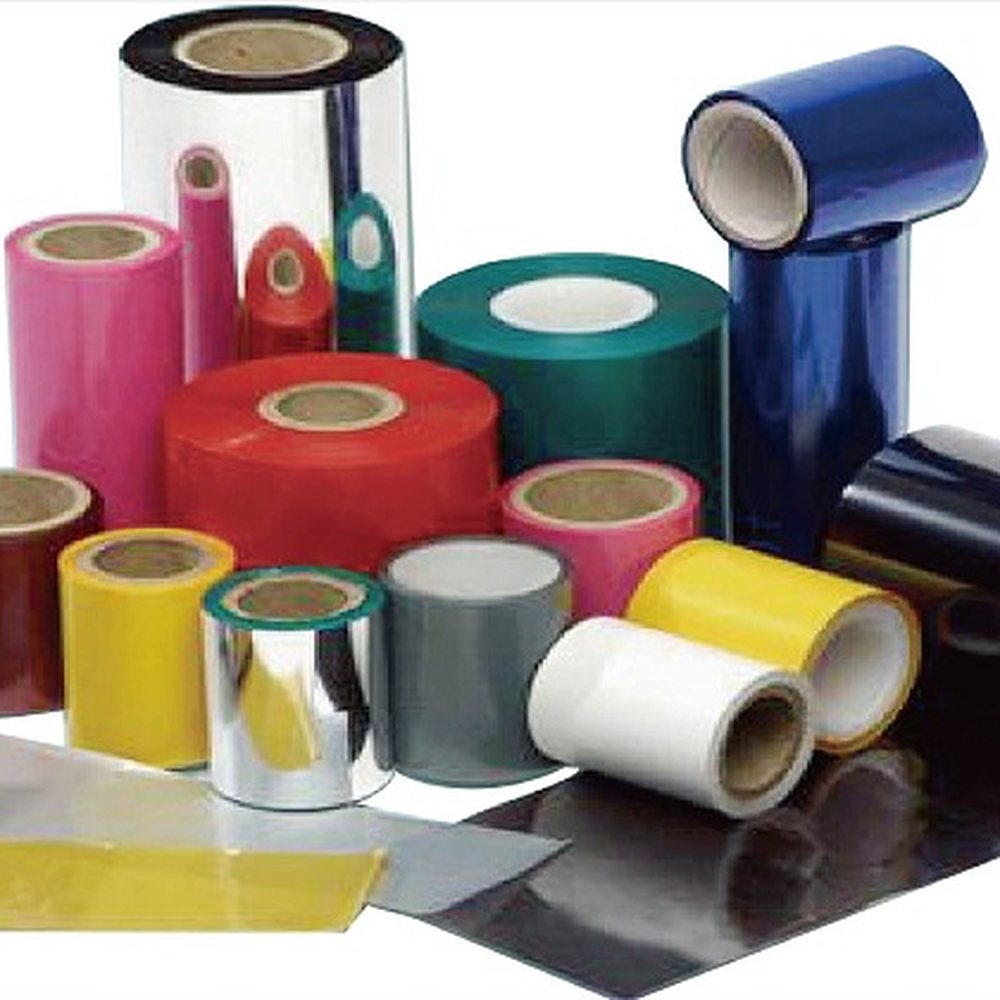
BRL cryogenic resin ribbons and BR100/BR400 general-purpose ribbons, matched to different facestocks for adhesion and solvent resistance.
View ribbonsEstablish the service temperature, then the substrate surface and service life, then the print method and machine format. T-prefixed codes are material codes (T7 for cable marking); TFM/TWP/TFT are cable-label product numbers.
| Application | Service temperature | Recommended material / series | Facestock structure | Notes |
|---|---|---|---|---|
| Biobank / cryovials | -196 °C | T629 | Nylon cloth + permanent acrylic | Immersion in liquid nitrogen; fits 1.8/2.0 mL cryovials and microcentrifuge tubes |
| Ultra-low freezer / strain tubes | -80 °C | T419 / T429 / T439 | PET polyester + low-temperature adhesive | Long-term storage; coloured borders for batch differentiation |
| Microplates / conical tubes | -196 °C to -80 °C | T459 / T509 | Self-laminating | Overlaminate protects the print area; suits repeated handling and wiping |
| Logistics / retail | -20 °C to 50 °C | T101 and other coated paper materials | Coated paper + rubber / acrylic | Cost-first choice for standard barcodes and waybills |
| Outdoor / damp / tear-resistant | -40 °C to 90 °C | PP synthetic paper materials | PP synthetic + permanent acrylic | Water and tear resistant; replaces paper labels |
| Electronics / solvent resistance | -40 °C to 150 °C | T401 and other PET materials | PET polyester + acrylic | Resists alcohol and oil; dimensionally stable |
| PCB reflow | 260 °C peak | PI polyimide material | PI + high-temperature adhesive | No deformation through reflow; anti-static options |
| Cable / wire marking | -40 °C to 150 °C | T7 range (T701/T703/T709/T730) + T506 | Tags / cards / heat-shrink / self-laminating | Choose the structure by wire diameter and fixing method |
| Equipment plates / assets | -40 °C to 300 °C | Aluminium base / metallised material | Aluminium / metallised PET | Laser marking or weather-resistant printing |
| Flame-retardant / halogen-free | -40 °C to 135 °C | Flame-retardant polyester material | Flame-retardant PET / polyolefin | UL and ROHS reports available |
Tell us the substrate, service temperature, print method and service life, and a materials engineer will propose a combination, with free samples and print validation.