

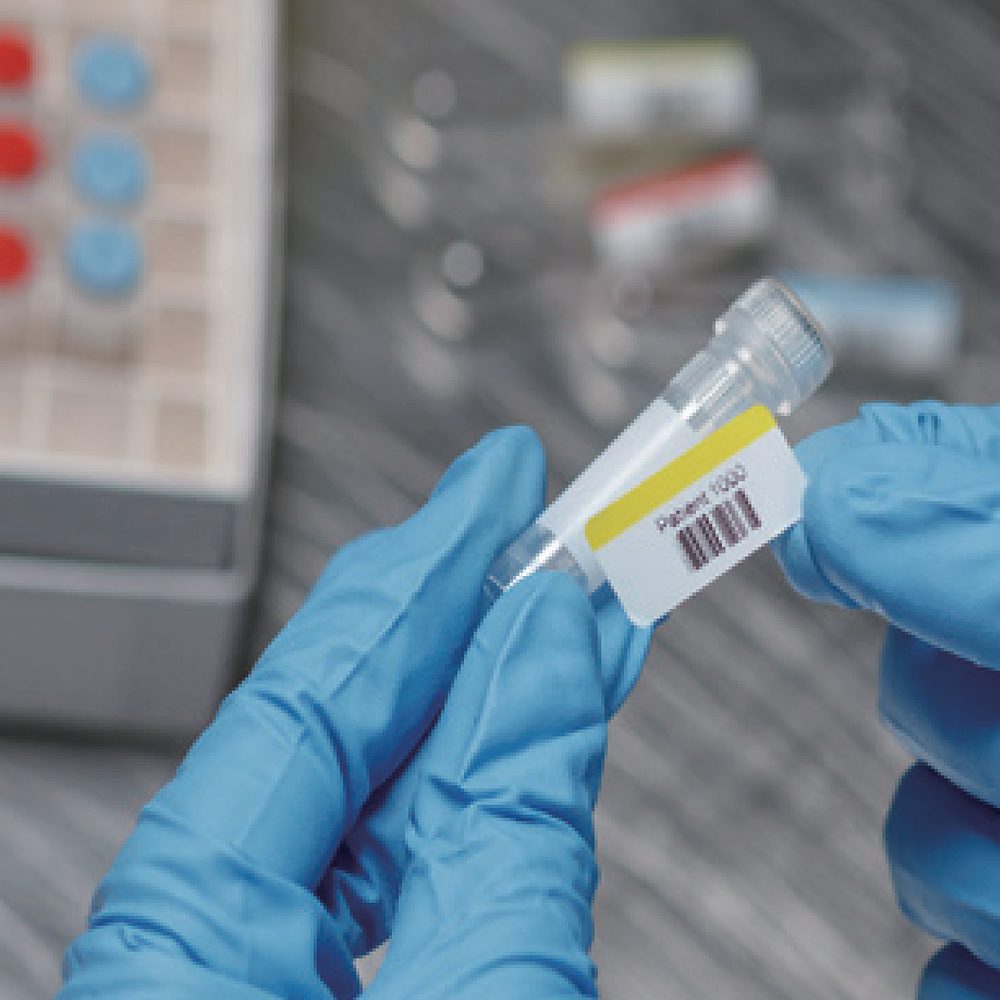
01 / LAB
LAB Cryogenic Label Materials
Four temperature zones from liquid nitrogen to refrigeration, with nylon cloth, polyester and self-laminating constructions for biobanks and pharmaceutical R&D.
View cryogenic materials
From coated paper, PP synthetic paper and PET polyester to polyimide and aluminium base, from -196 °C liquid nitrogen to 320 °C reflow soldering — BRD takes a pressure-sensitive label apart into four layers: print coating, facestock, adhesive and liner, and recombines them around the application.
The same 'label' fails in completely different ways in liquid nitrogen, an ultra-low freezer, ambient warehousing, a reflow oven and an engine bay. Facestock, adhesive and coating must be rebalanced for each temperature band.
Take a label apart: the print coating decides whether it prints clearly, the facestock decides stiffness and weatherability, the adhesive decides how long it stays stuck, and the liner decides how smoothly it runs. Each layer has its own parameters; only in combination do they become a material.
Coated paper, PP synthetic paper, PET polyester, PI polyimide, PVC / vinyl, nylon cloth, aluminium base and composite facestock.
Permanent acrylic, rubber-based, low-temperature acrylic, removable and high-temperature silicone, selected to the substrate surface energy.
Thermal transfer, direct thermal, laser printing and inkjet / eco-solvent, each matched to a different coating and on-press process.
Flame retardant, halogen-free low smoke, anti-static, tamper-evident, reflective / photoluminescent, metallized and chemical resistant.
Materials are not sold in isolation: the facestock determines print quality, the adhesive determines how long the label stays put, and die-cutting determines how smoothly it runs — so the product lines follow applications rather than raw materials.
Four temperature zones from liquid nitrogen to refrigeration, with nylon cloth, polyester and self-laminating constructions for biobanks and pharmaceutical R&D.
View cryogenic materials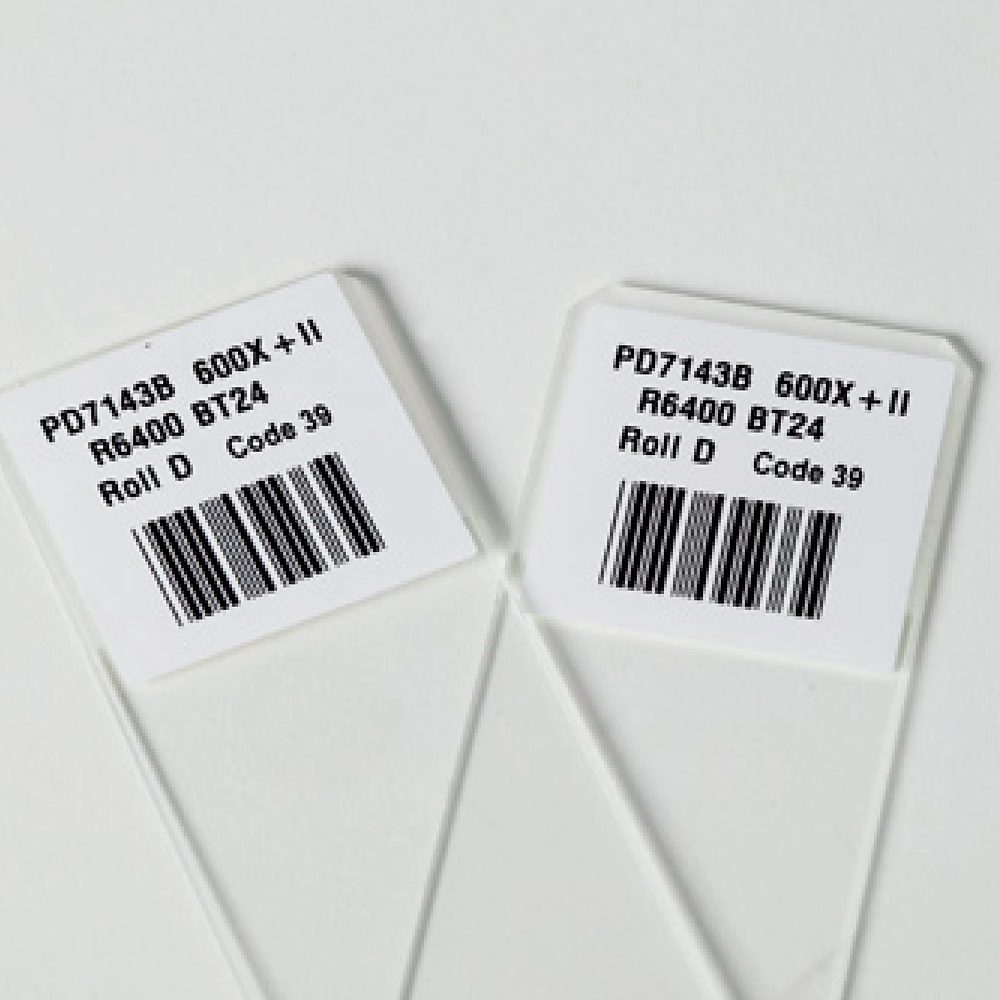
Coated paper, direct thermal paper, PP synthetic paper and PET polyester, covering thermal transfer, direct thermal, laser and inkjet printing.
View general materials
Self-laminating, wrap-around and flag-style constructions for wire marking and harness identification.
View cable materials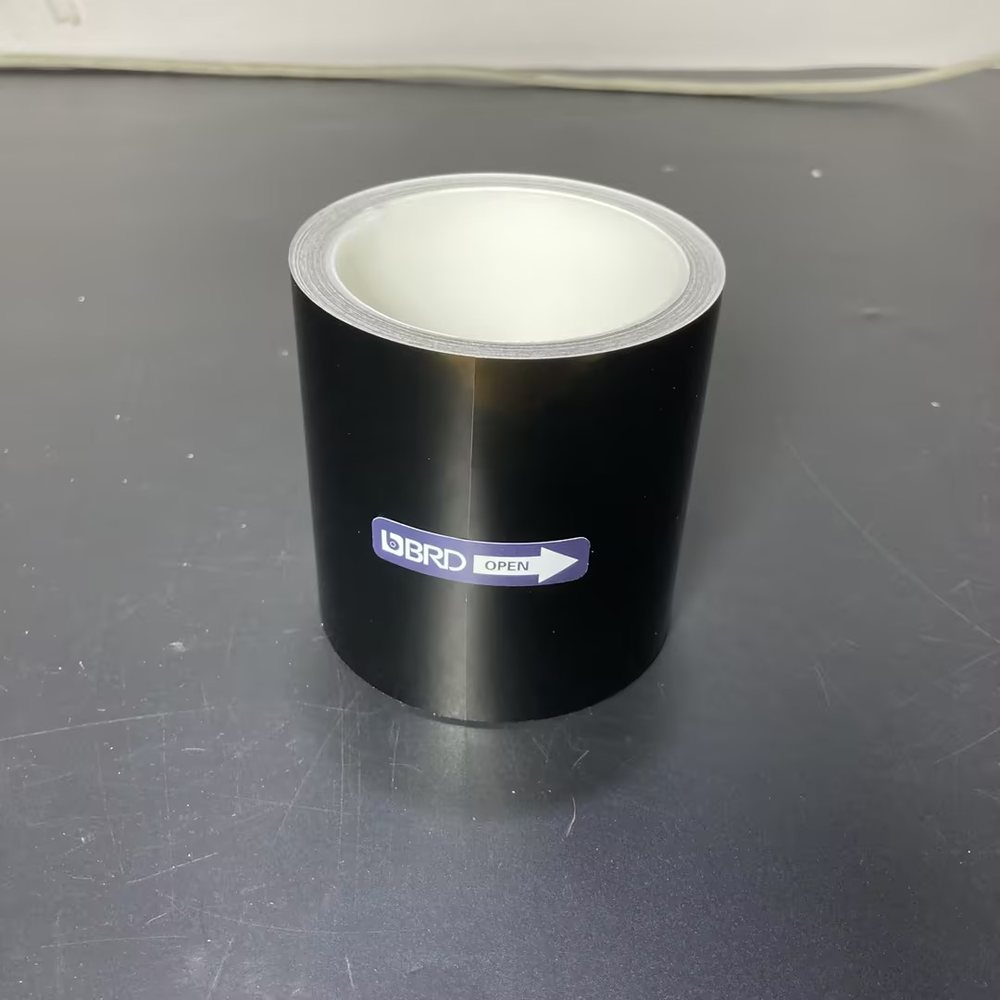
Polyimide rated to 320 °C, flame-retardant halogen-free, anti-static, tamper-evident, reflective and metallized materials.
View specialty materials
UHF cryogenic labels resistant to freeze-thaw cycling and solvent wiping, supporting batch inventory counts and LIMS integration.
About RFID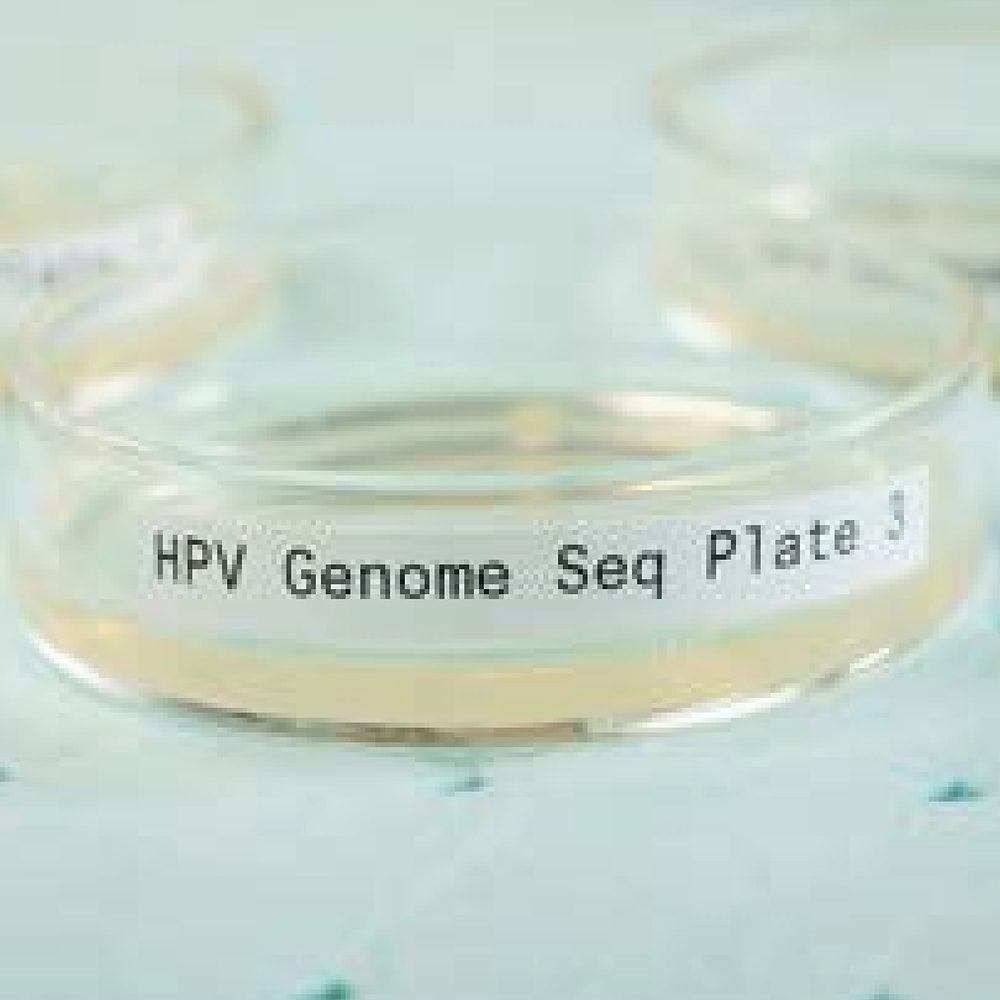
Die-cutting to drawing, custom shapes, core selection, pre-printing and print service, with trial production from small batches.
Customization process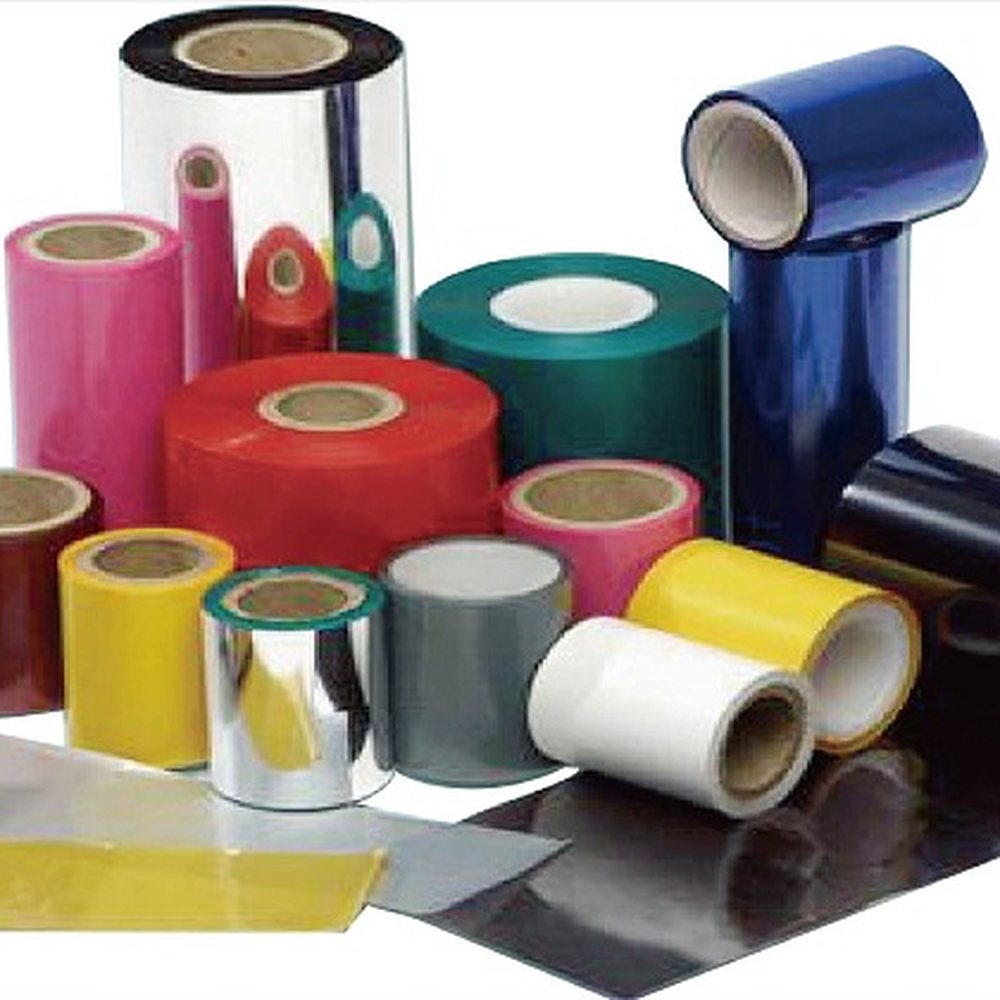
BRL cryogenic resin and BR400 hybrid ribbons, matched to cryogenic, general-purpose and specialty facestocks.
View ribbonsLabels most often fail 72 hours after application, or after the first high-low temperature cycle. We validate before the goods leave the plant.
8 facestock families × 5 adhesive families × 4 print methods, combined to suit the substrate and service conditions, rather than one label sold for everything.
Liquid nitrogen immersion, freeze-thaw cycling, high-temperature reflow and solvent wiping, tested against real processes rather than paper specifications.
Custom shapes, colour coding, pre-printed barcodes and print service, with low minimum order quantities and fast sampling.
SGS, ROHS 2.0, HF, UL and batch-by-batch COC, with complete technical documentation shipped with the goods.
Substrate, temperature, service life and print method are the four variables in material selection. The scenario changes which one weighs most.
Biobanks, pharmaceutical R&D and clinical diagnostics: layered identification from -196 °C liquid nitrogen to -20 °C refrigeration.
View solutionSelf-laminating, wrap-around and flag-style cable labels: oil and weather resistant, suited to wire marking and harness identification.
View materialsEquipment nameplates, asset tags and chemical-resistant identification for metal, painted and plastic surfaces.
View solutionPCB reflow, anti-static and insulating die-cut parts for SMT and automated production lines.
View materialsIdentification for laboratories, clinical departments and sterilization processes: water and alcohol resistant, clearly printed.
View solution
Aerospace pipe marking tape, marine identification, pipe colour coding and reflective / photoluminescent materials.
View solutionFrom incoming raw material to outgoing finished goods, key checkpoints are sampled, tested and archived. Customers receive TDS, MSDS, SGS reports and COC certificates with their shipment.
Tell us the substrate, service temperature, print method and service life, and a materials engineer will propose a combination, with free samples and print validation.