

Applications
The same labelling question has different answers in different scenarios. We break down material combinations for six application areas using four variables: substrate, temperature, service life and print method.
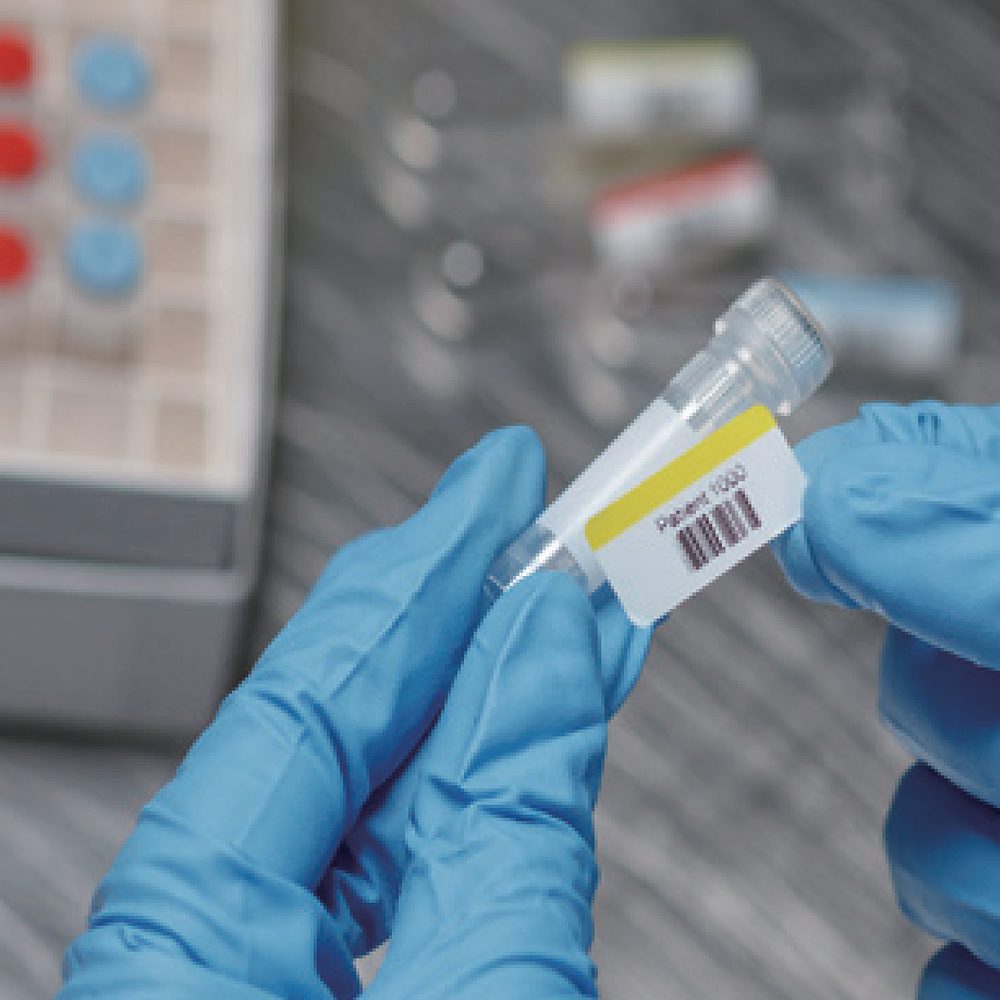
Life Science Cryogenic
Biobanks, pharmaceutical R&D and clinical diagnostics: labels must remain scannable after repeated transfers between liquid nitrogen and -80 °C freezers.
- T629 nylon cloth labels: no detachment after liquid nitrogen immersion at -196 °C; fits 1.8/2.0 mL cryovials and microcentrifuge tubes
- T459/T509 self-laminating: the laminate protects the print area and withstands repeated handling and alcohol wiping
- T419/T429/T439: -80 °C ultra-low freezers, with coloured borders for batch colour coding
- TRF RFID: whole-box batch inventory, integrated with LIMS storage-location management
Cable, Harness & Power
Wire numbers, phase sequence and circuit identification require materials that stay firmly on thin cables, resist oil and weathering, and survive repeated bending.
- T7 materials: T701/T702 tags, T703 continuous cards, T709 card labels, T730–T736 heat-shrink sleeves
- T506 self-laminating: translucent vinyl that conforms to wires and curves
- TFM / TWP / TFT are product-form numbers, not material codes
- Polyolefin and polyester systems rated -55 °C to 135 °C, with flame-retardant and halogen-free options
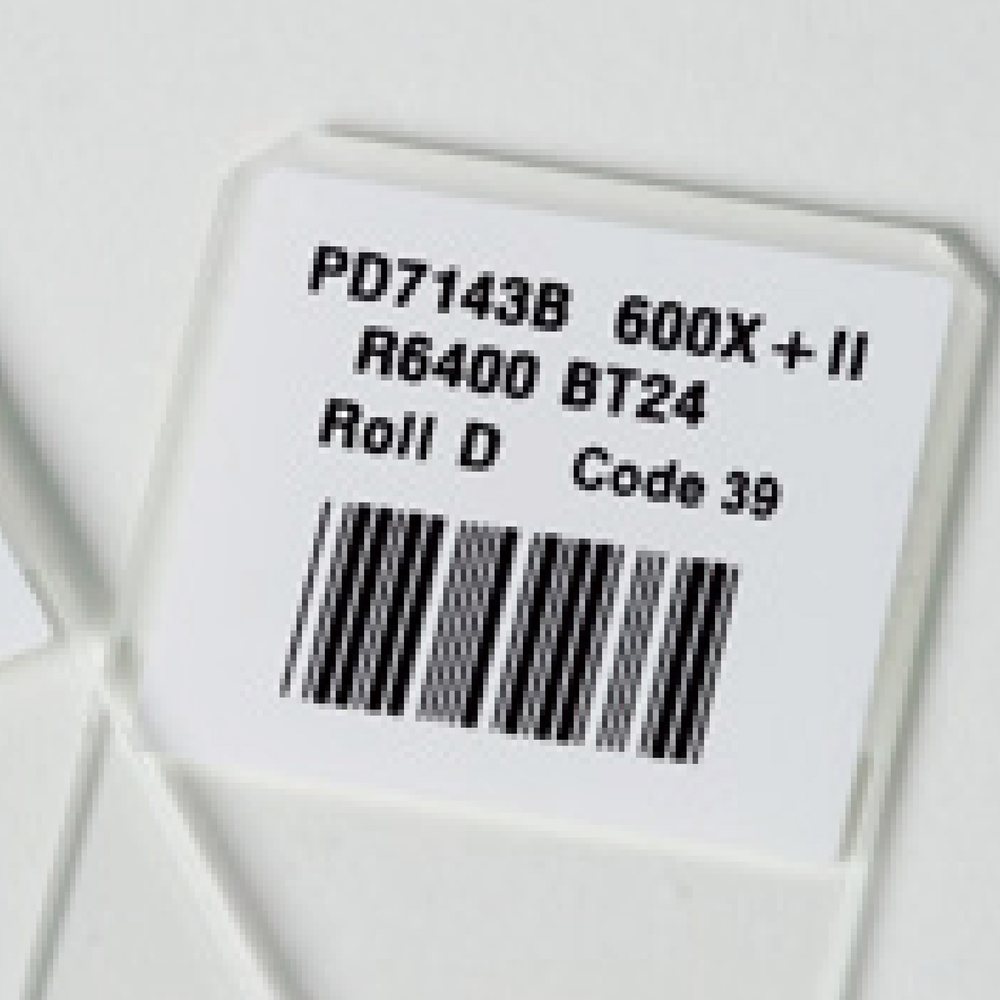
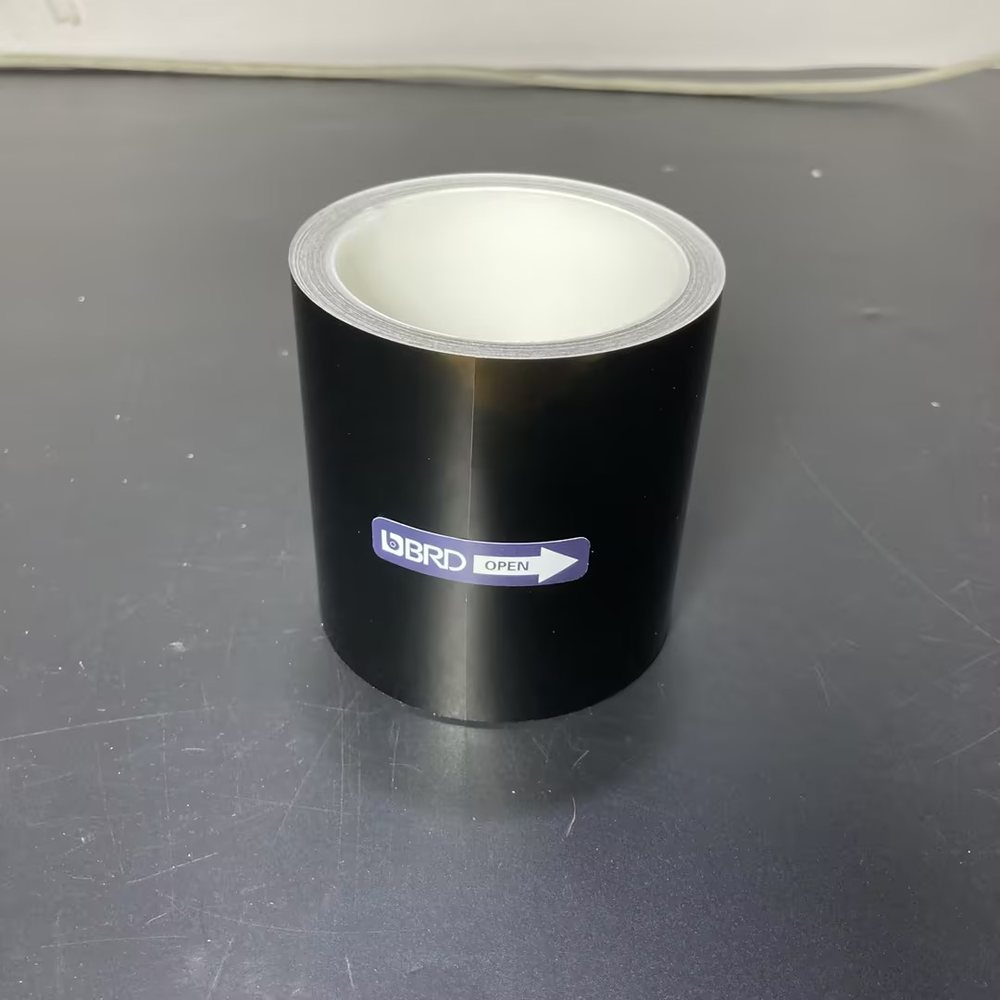
Industrial Equipment & Assets
Equipment nameplates, asset numbers and safety warnings face oil, cleaning agents, UV and metal or painted surfaces.
- PET polyester and metallized materials: solvent and weather resistant, suited to equipment nameplates and asset tags
- Aluminium base and laser-marking materials: ink-free marking that does not fade
- High-tack TSS and high-adhesion adhesives: low-surface-energy plastics and powder-coated surfaces
- Flame-retardant and halogen-free materials: cabinets, power and rail transit
Electronics & Precision Die-Cutting
PCB reflow, anti-static, insulation and masking demand materials that survive brief excursions above 260 °C and can be die-cut precisely.
- PI polyimide: -70 °C to 320 °C, no deformation through reflow soldering
- Anti-static PI and PET: protection for sensitive devices
- Flame-retardant polyester and halogen-free materials: UL and ROHS requirements
- DC precision die-cutting: insulating sheets, masking parts, conductive adhesives and structural parts
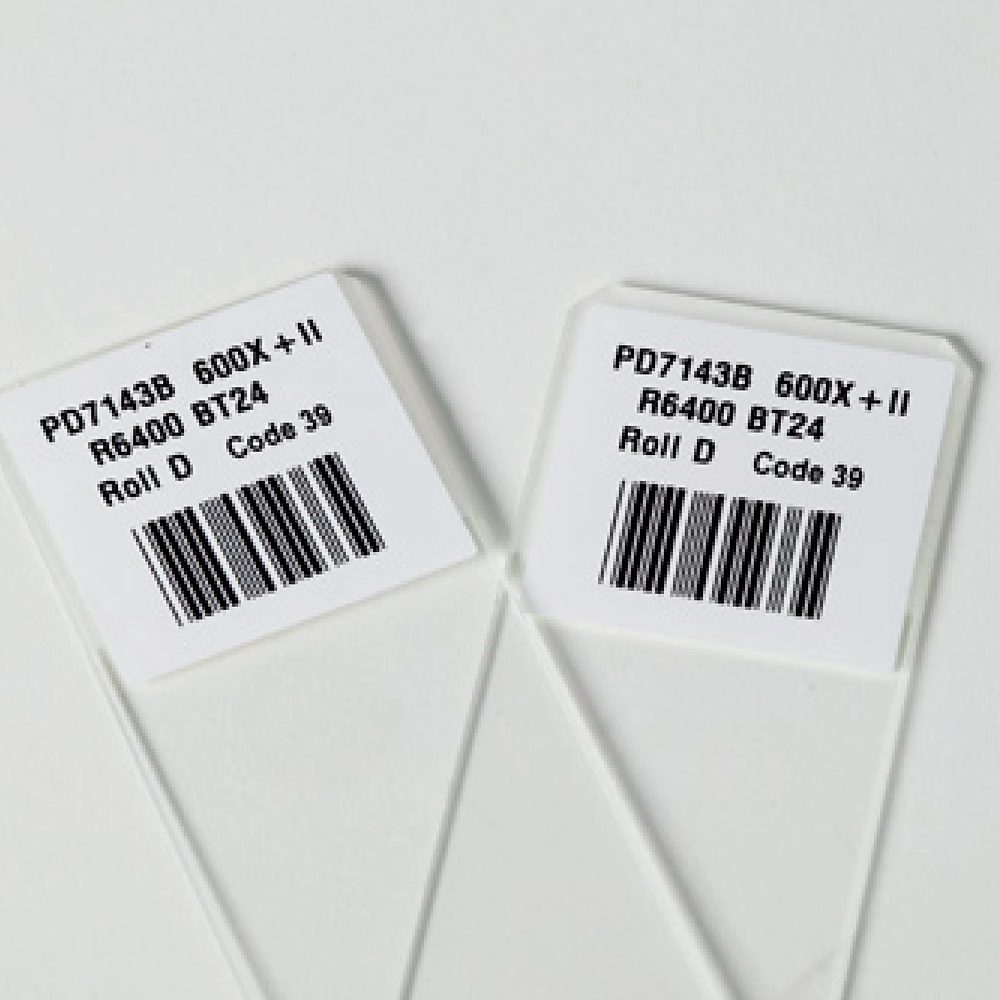
Medical & Healthcare
Clinical laboratories, pathology and sterilization workflows require waterproof, alcohol-resistant labels that print clearly and conform to blood tubes, slides and embedding cassettes.
- Sizes dedicated to blood collection tubes, slides and paraffin blocks, fitting frosted areas and embedding cassettes
- High-contrast printing so small 2D codes read reliably
- Water and alcohol resistant, compatible with staining, deparaffinization and disinfection
- Pre-printing and print service reduce the printing workload in the department
Aerospace · Marine · Piping
Aerospace piping, marine equipment and industrial pipelines demand markings that stay readable through oil, salt spray, UV and temperature cycling.
- MH aerospace pipe marking tape: selected to pipe specification and colour-coding standards
- Marine and outdoor identification: salt spray and UV resistant, meeting relevant IMO requirements
- Pipe colour coding and flow direction: PTP pipe markers and colour bands
- Reflective and photoluminescent materials: night and low-light inspection
Not sure which material to use?
Tell us the substrate, service temperature, print method and service life, and a materials engineer will propose a combination, with free samples and print validation.